Switching to a heat pump usually means trading gas for electricity, and that's exactly where many homeowners hesitate. The common assumption is that an all-electric system will send your power bill through the roof. If you're considering heat pump installation in Oregon City, OR, the reality is a lot more encouraging than that.
Heat pumps do use electricity, but they use it efficiently. How much your bill changes depends on your home, the system you choose, and how well it's maintained.

How Much Electricity Does a Heat Pump Use?
There's no one-size-fits-all answer, because every home and system is different. A heat pump's energy use depends on the size of your home, the efficiency of the unit, and the weather outside.
Still, a few key factors explain why heat pumps are known as an energy-efficient choice:
Heat Pumps Move Heat Instead of Creating It
A furnace burns fuel to produce heat, and electric baseboard heaters turn electricity directly into warmth. A heat pump works differently. It pulls existing heat from the outdoor air and moves it inside, even when it feels chilly outside.
Because it transfers heat rather than generating it, a heat pump can deliver more heating energy than the electricity it consumes. In the summer, the process reverses, pulling heat out of your home to keep it cool.
When Heat Pump Energy Use Goes Up
Portland winters are usually mild, but cold snaps and ice storms do happen. When temperatures drop, there's less heat in the outdoor air to work with, so the system runs longer and harder to keep up.
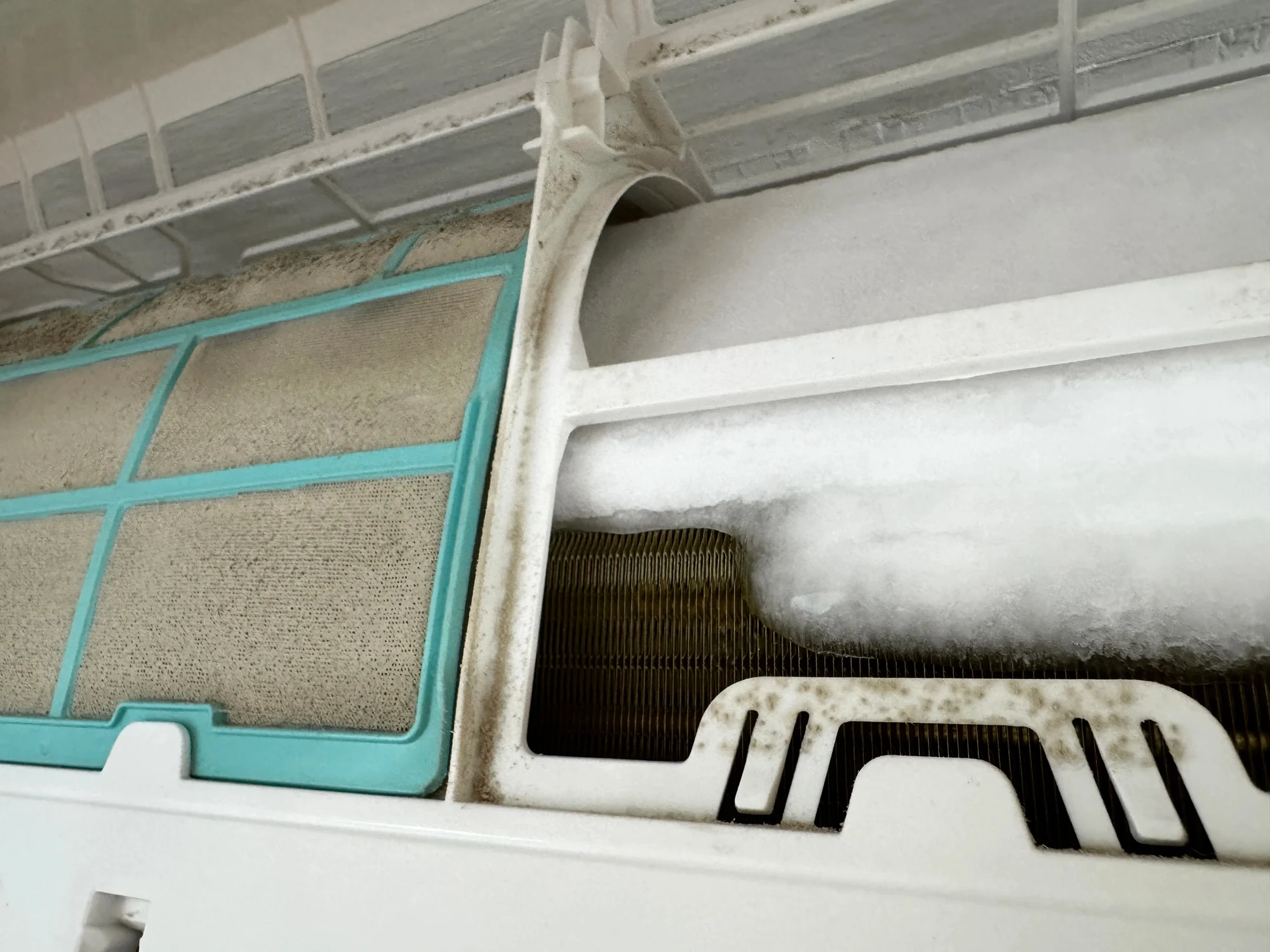
During very cold weather, many heat pumps also turn on auxiliary heat. This backup heating source helps warm your home but uses noticeably more electricity. If you see "AUX" or "EM HEAT" on your thermostat, that backup is running. Short bursts are normal, but if it stays on for long stretches, it may be worth having the system checked.
What Affects Your Heat Pump's Electricity Use
Several factors play a role in how much power your system uses:
- System size. An oversized or undersized unit cycles inefficiently, which is why choosing the right size heat pump matters.
- Efficiency ratings. Higher SEER2 and HSPF2 ratings mean better efficiency, and ENERGY STAR® certified models meet strict energy guidelines.
- Insulation and air leaks. Drafty windows and thin insulation make any system work harder.
- Ductwork condition. Leaky ducts let heated or cooled air escape before it reaches your living spaces.
- Thermostat habits. Frequent, dramatic temperature changes can lead to more energy use.
- Age and upkeep. Older or neglected systems tend to lose efficiency over time.
Tips to Keep Your Heat Pump Running Efficiently
A few simple habits can go a long way toward keeping your energy use in check:
- Keep your thermostat at a steady setting instead of making big swings.
- Change or clean your air filters regularly.
- Clear leaves, branches, and debris from around the outdoor unit, especially during fall.
- Schedule annual heat pump maintenance to catch small issues before they affect performance.
You can also explore energy-saving programs in Oregon for tips and incentives that may help lower the cost of efficiency upgrades.
Thinking About Heat Pump Installation in Oregon City, OR? Talk to Local Experts
Heat pumps run on electricity, but they use it wisely. With the right size system, good insulation, and regular maintenance, you can enjoy year-round comfort while keeping your energy use under control.
If you're considering a heat pump for your home, A-TEMP Heating, Cooling & Electrical is here to help. Our family-owned team has served homeowners throughout Portland and Clackamas, Multnomah, and Washington Counties for over 50 years.
Call (503) 650-5014 or contact our team online to talk through your options!
5 Star Rated
Quality Service That Will Make You Smile
.webp)
A-TEMP Heating, Cooling & Electrical came recommended from a friend who is a current inspector. I've used them for years for furnace and AC maintenance. Their customer service is excellent—helpful, friendly, and persistent in scheduling my maintenance. I appreciate that they've never pushed to replace my old furnace but instead helped me decide when to repair or replace without being pushy about sales. Finding trustworthy repair folks is hard, and I highly recommend them. You won't be disappointed.
A-TEMP Heating, Cooling & Electrical goes above and beyond to take care of their customers. I've been a customer for years and am impressed with the technicians and office staff. The fact that this is a family business is also a plus. Thank you.
A-TEMP Heating, Cooling & Electrical did a wonderful job. They were on time, wore shoe coverings, and worked diligently. They replaced our air filter and an electrical part under warranty, explaining everything clearly. The work was clean and professional, and the team was congenial and pleasant.
Everyone we’ve dealt with has been polite, positive, and very courteous. A-TEMP Heating, Cooling & Electrical quickly replaced our furnace during the coldest part of a snowy winter. Other companies couldn’t get out for 1-2 weeks, but A-TEMP assessed it the same day and replaced it in 2 days. Can’t say enough great things about this company!
.svg)

Serving All Members of Your Family
Family is built into our company name. For over 50 years, our family-owned & operated HVAC business has taken care of our neighbors. We focus on care for our team so they can focus on care for our customers.