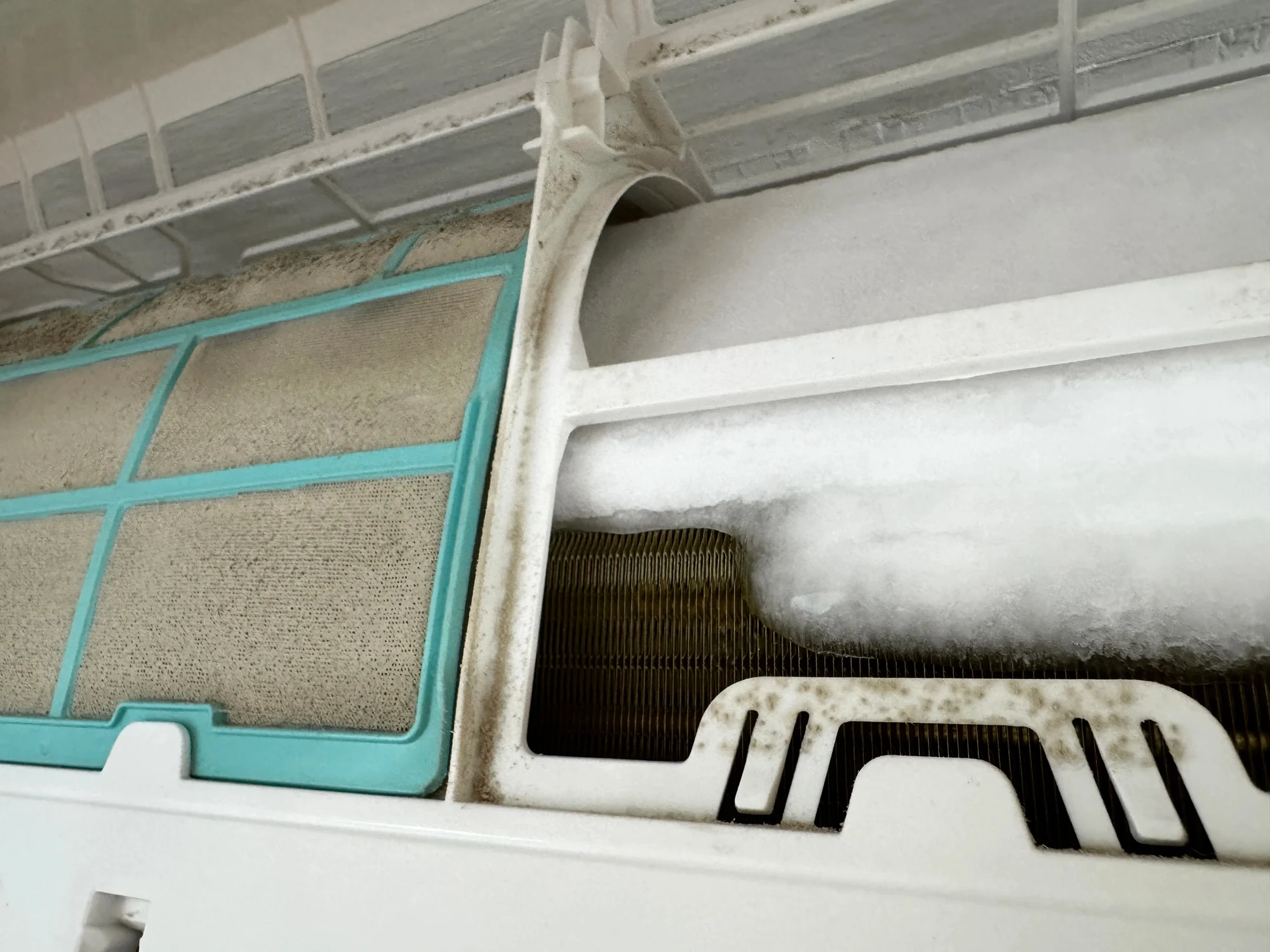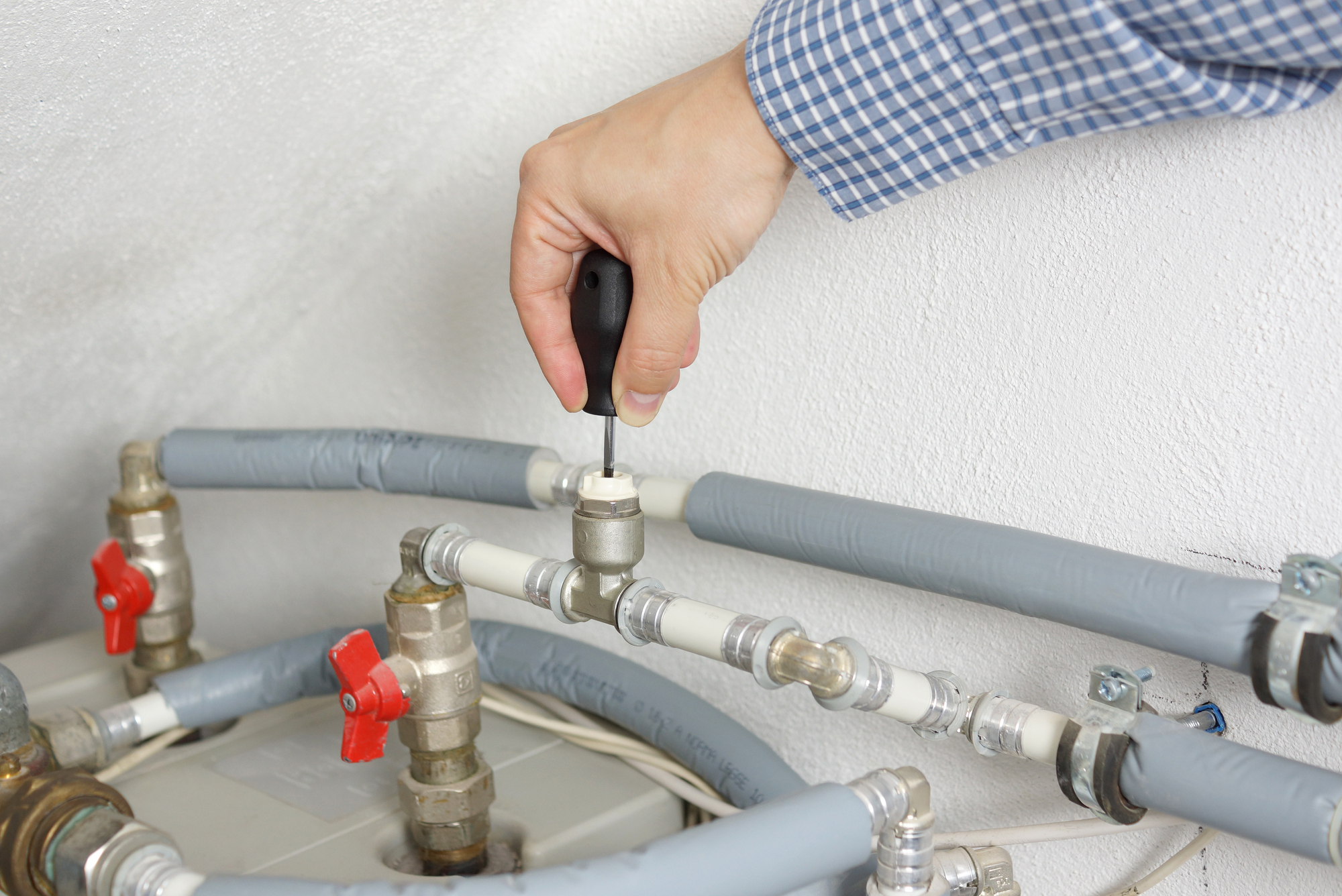
Every year, HVAC technicians see the same pattern: furnaces that ran fine all fall suddenly fail the moment temperatures really drop. It's not bad luck. It's the first hard freeze putting stress on a system that was already struggling, just quietly enough that no one noticed until it mattered.
Most furnace breakdowns don't happen out of nowhere. There are almost always warning signs beforehand. The trick is knowing what to look for and schedule furnace repair in Portland before you're stuck without heat on the coldest night of the year.
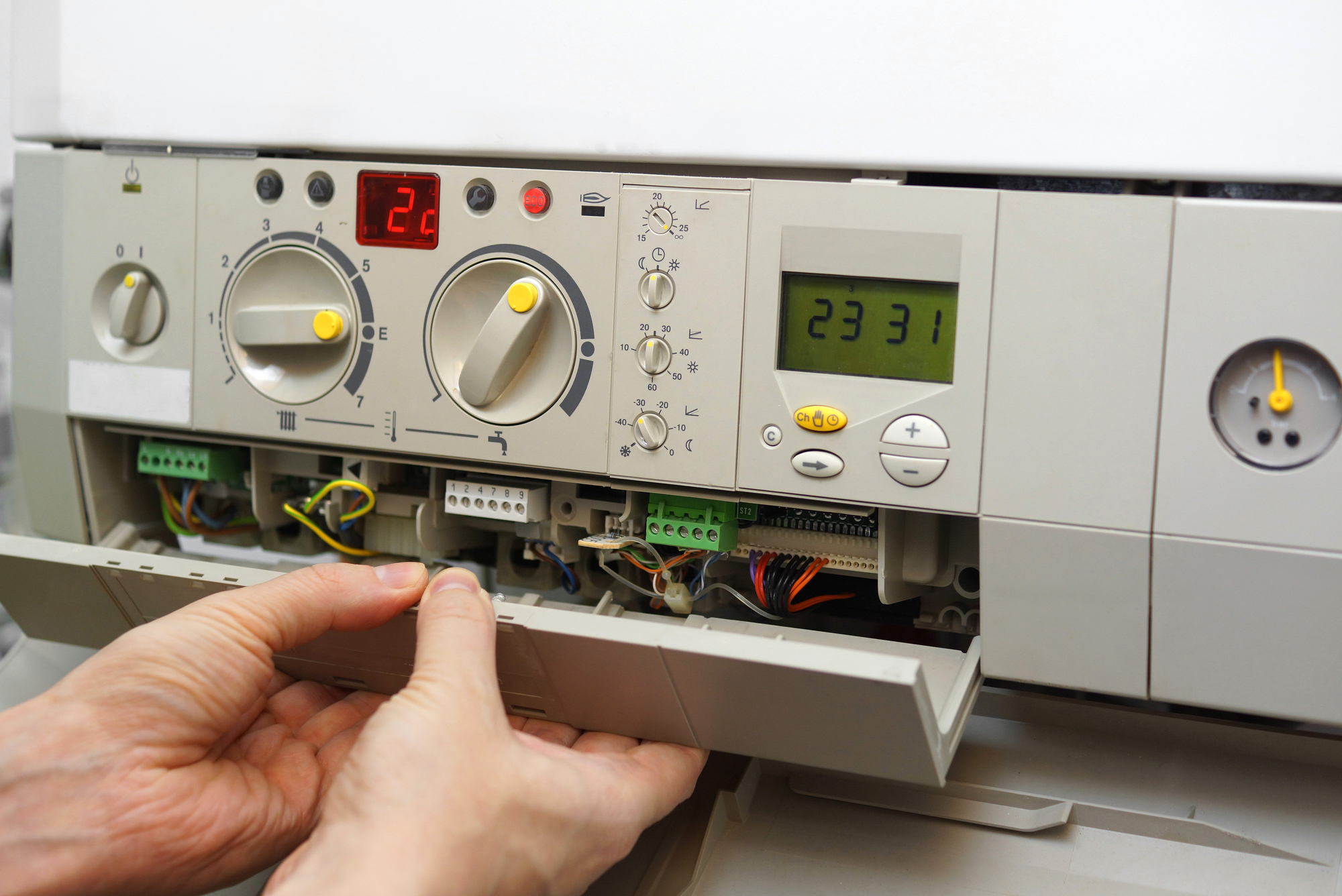
Five Red Flags to Watch Out for with Your Furnace
Your Furnace Is Making Unusual Noises
A furnace that bangs, rattles, or squeals usually point to loose components, a worn-out blower belt, or ignition trouble. It's easy to shrug off odd noises, especially if the heat still seems to be working.
But these issues rarely fix themselves; they get louder, and eventually more expensive, the longer they're ignored.
It's Struggling to Keep Up with the Cold
If some rooms never quite reach a comfortable temperature, or your furnace seems to run constantly without much payoff, that's a sign it's losing efficiency. Older systems in particular start to fall behind once outdoor temperatures drop into the teens or single digits.
A furnace that "mostly" works in October may not have the capacity to handle January.
Your Energy Bills Are Climbing Without Explanation
Take a look at your heating costs compared to last winter. If they're noticeably higher despite similar weather and usage, your furnace is likely working harder than it should to produce the same amount of heat.
The harder a system strains, the more wear it puts on its own parts, which drives costs up even further.
The Pilot Light or Ignition Keeps Failing
A pilot light that won't stay lit, or an ignition system that hesitates before starting, is one of the more urgent signs on this list. Beyond the inconvenience, ignition issues can sometimes point to a bigger mechanical problem, and in some cases, a safety concern like carbon monoxide exposure.
If this is happening more than once, it's worth having a professional take a look right away.
It's Past (or Near) Its Expected Lifespan
Most furnaces are built to last 15 to 20 years with proper maintenance. If yours is approaching that range and showing any of the symptoms above, age and wear are likely working together against you.
A furnace that's old and struggling is a much stronger signal than age alone. That combination is usually where breakdowns happen.
What to Do Now
If any of this sounds familiar, don't wait for the first real cold spell to find out how bad the problem is. A professional inspection now can catch small issues while they're still small and still affordable to fix.
Emergency repairs in the middle of winter almost always cost more, take longer to schedule, and leave your home without heat exactly when you need it most. The best time to deal with a struggling furnace is before winter arrives, not during it.
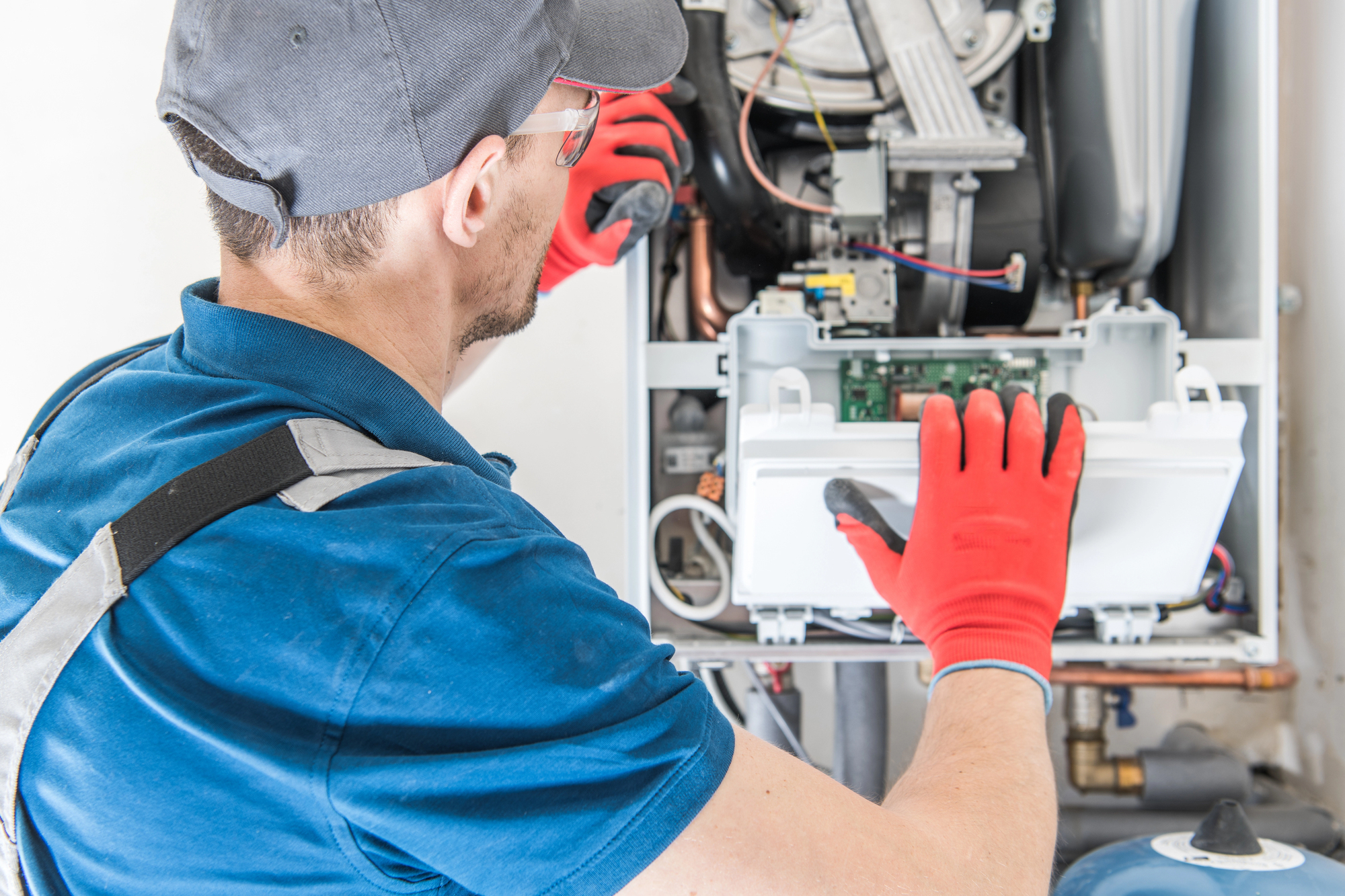
Schedule Prompt Furnace Repairs in Portland Today
Don't wait for a cold-weather breakdown. Contact A-TEMP today to schedule furnace installation, repair, or maintenance and head into winter with confidence that your heat will hold up when you need it most.
5 Star Rated
Quality Service That Will Make You Smile
.webp)
A-TEMP Heating, Cooling & Electrical came recommended from a friend who is a current inspector. I've used them for years for furnace and AC maintenance. Their customer service is excellent—helpful, friendly, and persistent in scheduling my maintenance. I appreciate that they've never pushed to replace my old furnace but instead helped me decide when to repair or replace without being pushy about sales. Finding trustworthy repair folks is hard, and I highly recommend them. You won't be disappointed.
A-TEMP Heating, Cooling & Electrical goes above and beyond to take care of their customers. I've been a customer for years and am impressed with the technicians and office staff. The fact that this is a family business is also a plus. Thank you.
A-TEMP Heating, Cooling & Electrical did a wonderful job. They were on time, wore shoe coverings, and worked diligently. They replaced our air filter and an electrical part under warranty, explaining everything clearly. The work was clean and professional, and the team was congenial and pleasant.
Everyone we’ve dealt with has been polite, positive, and very courteous. A-TEMP Heating, Cooling & Electrical quickly replaced our furnace during the coldest part of a snowy winter. Other companies couldn’t get out for 1-2 weeks, but A-TEMP assessed it the same day and replaced it in 2 days. Can’t say enough great things about this company!
.svg)


Serving All Members of Your Family
Family is built into our company name. For over 50 years, our family-owned & operated HVAC business has taken care of our neighbors. We focus on care for our team so they can focus on care for our customers.