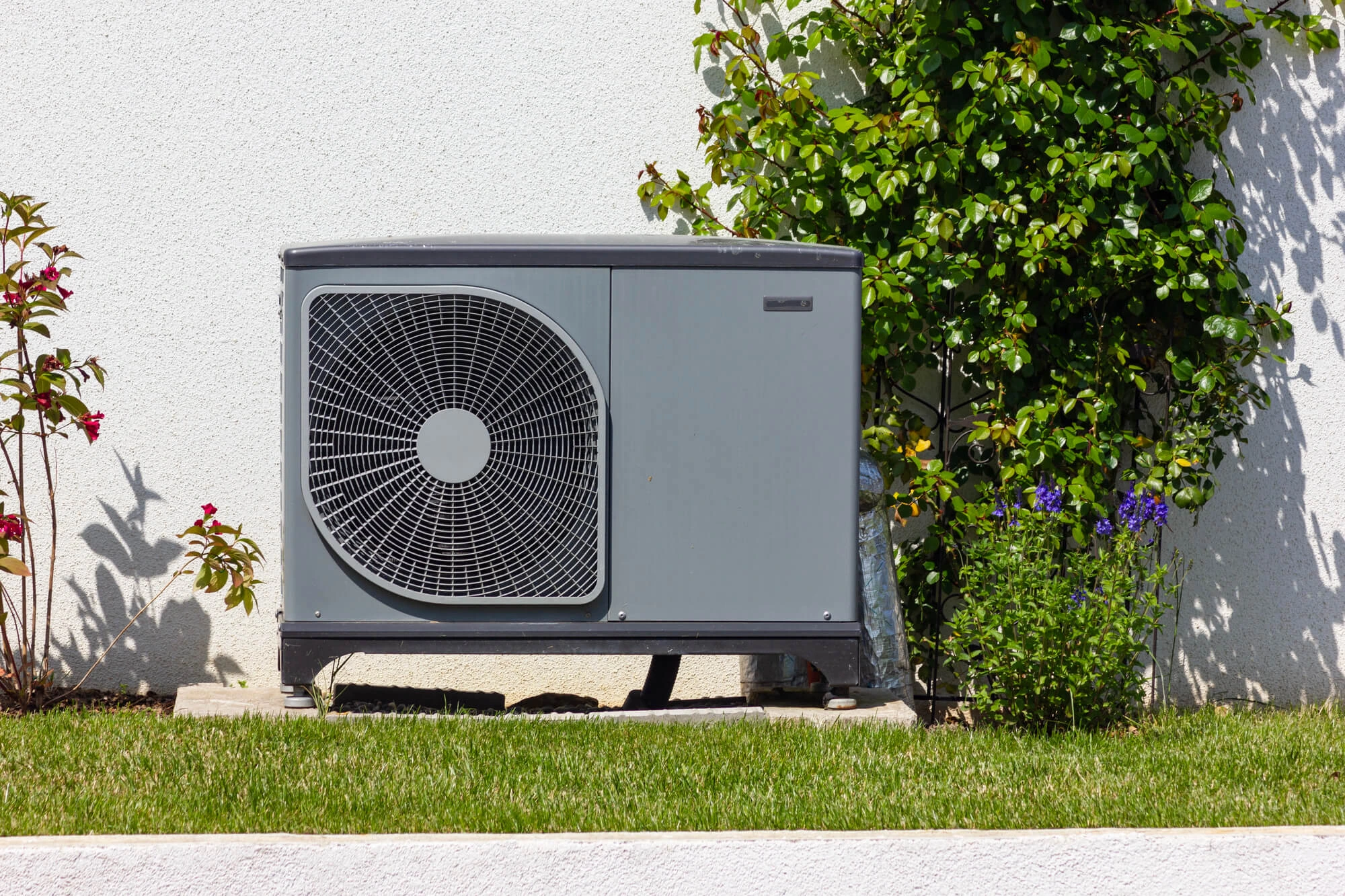
Once the cold, damp months settle, your heat pump becomes one of the hardest-working systems in your home. Along with routine heat pump service in Oregon City, OR, the right thermostat settings can keep every room comfortable without sending your energy bill soaring. The catch is that habits that work well with a furnace don't always suit a heat pump.
A few small adjustments can help your system run smoothly between heat pump maintenance visits.

Why Heat Pumps Need Different Thermostat Settings
Unlike a furnace, a heat pump doesn't create heat by burning fuel. Instead, heat pump systems move heat from the outdoor air into your home, so they warm rooms gradually and steadily.
Because of this steady approach, a heat pump can struggle when it's asked to raise the temperature quickly. When that happens, many systems turn on auxiliary heat, a backup electric heating element that costs much more to run.
Find a Comfortable Daytime Temperature
For most households, around 68°F while you're home and awake strikes a good balance between comfort and efficiency. If that feels too cool, nudge it up a degree or two until it feels right.
Once you find your ideal temperature, try to leave it alone. Heat pumps run most efficiently when they hold a steady temperature, and frequent adjustments can lead to higher heat pump energy costs.
Keep Nighttime and Away Setbacks Small
With a furnace, turning the thermostat down seven to 10 degrees overnight is a common way to save energy. With a heat pump, that large drop can backfire. In heating mode, setting back a heat pump can make it run inefficiently and cancel out the savings, since the system often leans on auxiliary heat to catch up in the morning.
Instead, keep nighttime and away setbacks to just a few degrees. If you use a programmable thermostat, choose a model designed for heat pumps. Many include a gradual recovery feature that warms the home slowly and limits the use of auxiliary heat.
Choose the Right Mode and Fan Setting
Your thermostat's mode and fan settings matter just as much as the temperature:
- Heat: The best everyday setting for winter, since it keeps the system focused on heating
- Auto: Switches between heating and cooling on its own, which can cause unnecessary cycling on mild afternoons
- Emergency heat (EM HEAT): Runs only the backup heat source and should be saved for times when the outdoor unit isn't working
- Fan Auto: Runs the fan only during heating cycles, so the air from your vents feels warmer
- Fan On: Runs the fan constantly, which can make the air feel cool between cycles and use more electricity
If your thermostat often shows "AUX" on moderate days, it could point to a setting issue or a problem with the system itself. Keep in mind that different types of thermostats handle heat pump systems differently, so the features available to you may vary.
Support Your Settings With Simple Habits
Thermostat settings work best when the rest of your system can do its job. A few habits help:
- Replace or clean air filters regularly
- Keep vents and return grilles clear of furniture and rugs
- Clear leaves, snow, and debris from around the outdoor unit
- Keep the thermostat away from drafty windows, doors, and direct sunlight

Get Winter-Ready With Heat Pump Service in Oregon City, OR
Steady temperatures, small setbacks, the right mode, and saving emergency heat for true emergencies can make a real difference in how your heat pump performs this season. If your home still feels chilly or your auxiliary heat seems to run nonstop, a professional check can help pinpoint the cause.
At A-TEMP Heating, Cooling & Electrical, our family-owned team has kept homes in Clackamas, Multnomah, and Washington Counties comfortable for over 50 years. Whether you need a seasonal tune-up or a heat pump repair, we're here to help. Schedule a heat pump visit today.
5 Star Rated
Quality Service That Will Make You Smile

A-TEMP Heating, Cooling & Electrical came recommended from a friend who is a current inspector. I've used them for years for furnace and AC maintenance. Their customer service is excellent—helpful, friendly, and persistent in scheduling my maintenance. I appreciate that they've never pushed to replace my old furnace but instead helped me decide when to repair or replace without being pushy about sales. Finding trustworthy repair folks is hard, and I highly recommend them. You won't be disappointed.
A-TEMP Heating, Cooling & Electrical goes above and beyond to take care of their customers. I've been a customer for years and am impressed with the technicians and office staff. The fact that this is a family business is also a plus. Thank you.
A-TEMP Heating, Cooling & Electrical did a wonderful job. They were on time, wore shoe coverings, and worked diligently. They replaced our air filter and an electrical part under warranty, explaining everything clearly. The work was clean and professional, and the team was congenial and pleasant.
Everyone we’ve dealt with has been polite, positive, and very courteous. A-TEMP Heating, Cooling & Electrical quickly replaced our furnace during the coldest part of a snowy winter. Other companies couldn’t get out for 1-2 weeks, but A-TEMP assessed it the same day and replaced it in 2 days. Can’t say enough great things about this company!


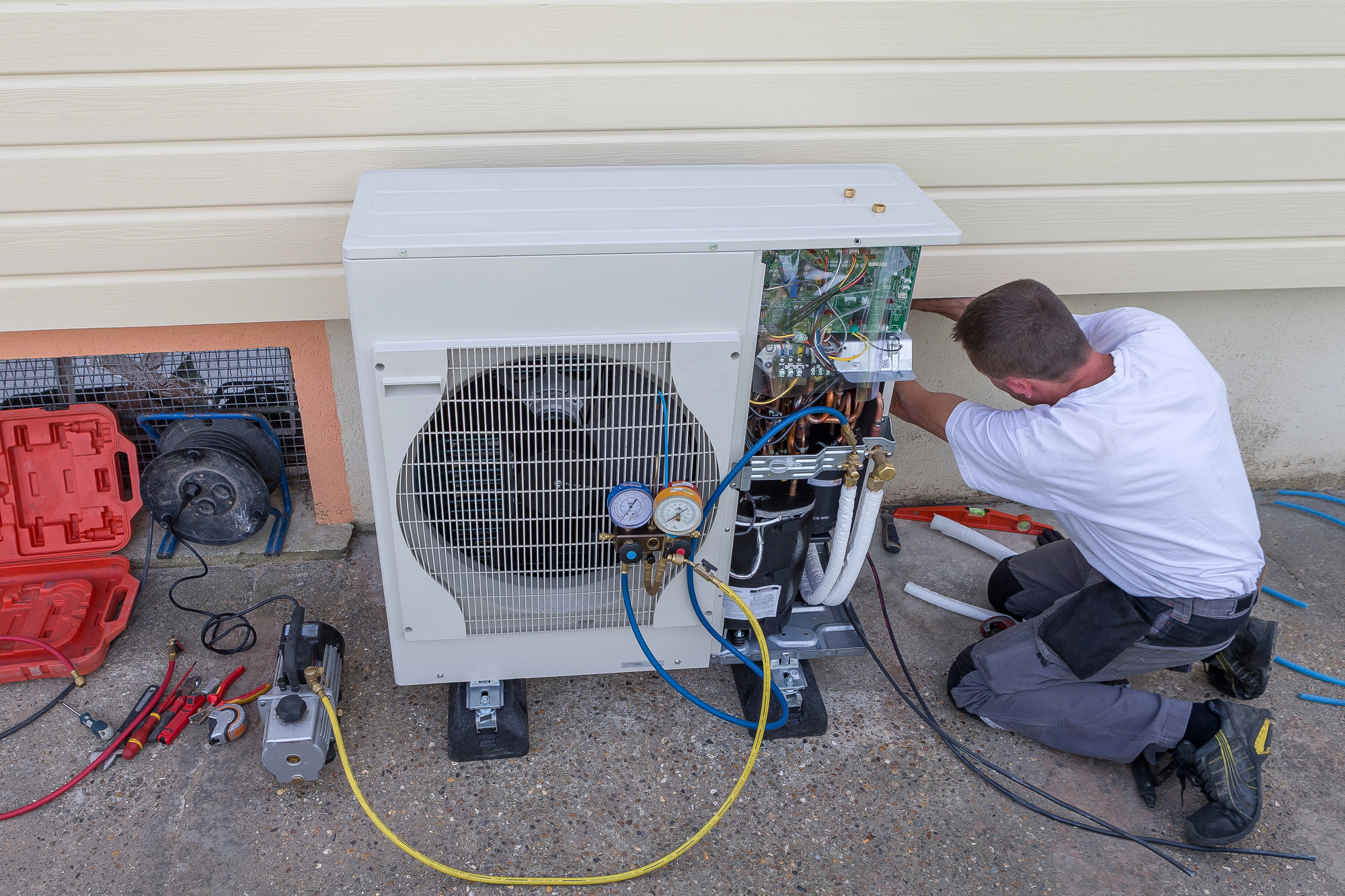
Serving All Members of Your Family
Family is built into our company name. For over 50 years, our family-owned & operated HVAC business has taken care of our neighbors. We focus on care for our team so they can focus on care for our customers.