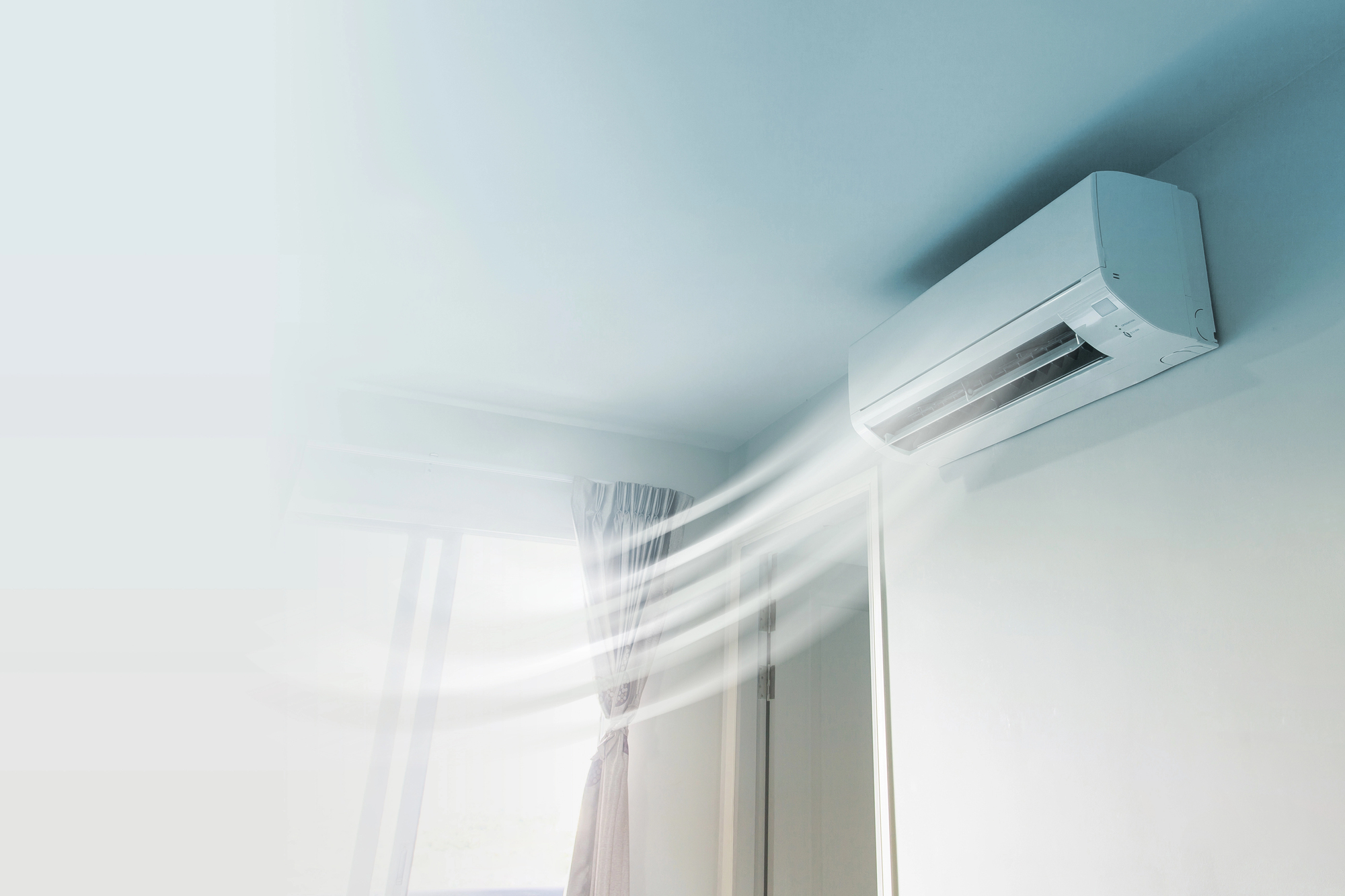
Upgrading your air conditioner is a big decision, but it doesn't have to be a purely expensive one. If you’ve been eyeing a new, high-efficiency system, a portion of that cost could come back to you as a tax credit.
While the paperwork and technical jargon might seem daunting, the core idea is straightforward: the more efficient the system, the more the government wants to reward you for installing it.
By choosing a heating and cooling unit in Lake Oswego, OR that meets specific energy standards, you’re not just lowering your monthly utility bills; you’re securing a financial win that pays off when you file your taxes.

Understanding Efficiency Standards
Not every air conditioner on the market is eligible for a tax credit. To qualify, a system must meet or exceed specific performance tiers set by the government. Incentives are designed to reward homeowners who choose "high-efficiency" technology, which reduces overall energy consumption and strain on the power grid.
You will often see ratings like SEER2 (Seasonal Energy Efficiency Ratio) and EER2 (Energy Efficiency Ratio) listed on equipment. These numbers tell you how much cooling the system provides per unit of electricity it uses. Generally, only units that fall into the "Highest Efficiency Tier"—those significantly more advanced than standard models—will trigger a tax credit.
Pro Tip
While standard central air conditioners often qualify for a helpful credit, heat pumps (which handle both heating and cooling) typically qualify for much larger incentives because of their incredible year-round efficiency.
Do You Qualify? An Eligibility Checklist
Before you count your savings, there are a few boxes you need to tick:
- Primary Residence: Most federal energy credits apply only to your main home, meaning the house you live in most of the time. New constructions, rentals, and secondary vacation homes usually don't qualify for these specific residential credits.
- System Type: The unit must be a permanent installation, such as a central split system or a ductless mini split. Portable units or window ACs, no matter how efficient, typically aren't eligible.
- The "Matched Pair" Rule: For a split system to reach its rated efficiency, the indoor coil and the outdoor condenser must be a certified "matched pair." If a contractor installs a high-end outdoor unit with an old, incompatible indoor coil, the system won't perform at its peak, and you likely won't qualify for the credit.
Essential Documentation
When tax season rolls around, you’ll need proof of your upgrade. Always ensure you have:
- The Manufacturer’s Certification Statement: A signed document from the brand certifying that your specific model meets the energy-efficiency criteria.
- The Summary Invoice: Your records should clearly show the cost of the equipment separately from the labor.
- IRS Form 5695: The form your tax professional will use to claim the credit.

Ready to Upgrade Your Comfort with Heating and Cooling in Lake Oswego, OR?
At A-TEMP, we bring over 50 years of experience to every home we visit. We pride ourselves on transparent communication, ensuring you know exactly what you’re getting and why it’s the best fit for your home.
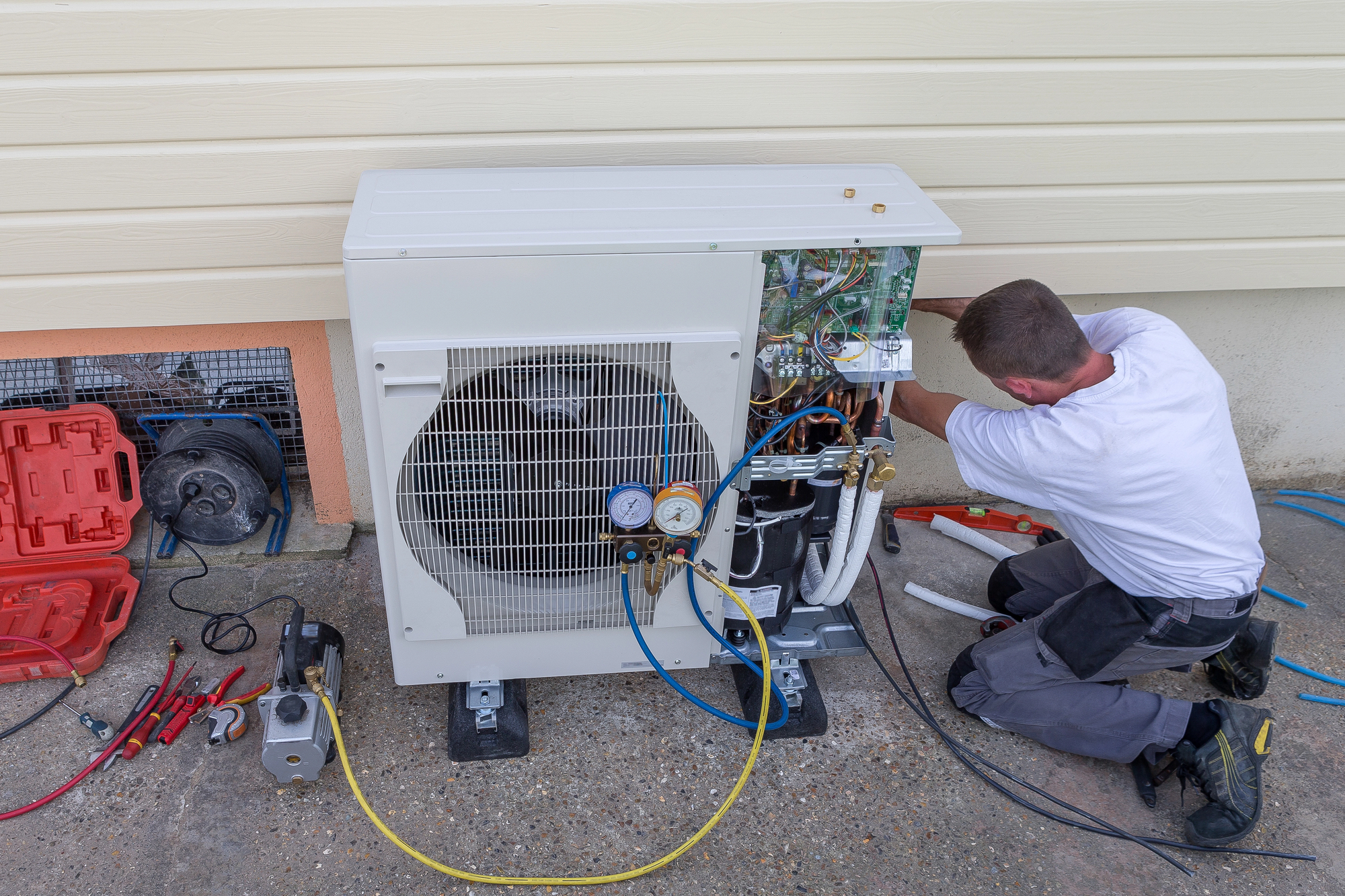
Whether you are looking for a high-efficiency AC or a versatile heat pump, our team of background-checked and drug-tested technicians is ready to help with professional installation, maintenance, and repairs.
Contact A-TEMP today to schedule your consultation and find a system that keeps you cool while putting money back in your pocket!
5 Star Rated
Quality Service That Will Make You Smile
.webp)
A-TEMP Heating, Cooling & Electrical came recommended from a friend who is a current inspector. I've used them for years for furnace and AC maintenance. Their customer service is excellent—helpful, friendly, and persistent in scheduling my maintenance. I appreciate that they've never pushed to replace my old furnace but instead helped me decide when to repair or replace without being pushy about sales. Finding trustworthy repair folks is hard, and I highly recommend them. You won't be disappointed.
A-TEMP Heating, Cooling & Electrical goes above and beyond to take care of their customers. I've been a customer for years and am impressed with the technicians and office staff. The fact that this is a family business is also a plus. Thank you.
A-TEMP Heating, Cooling & Electrical did a wonderful job. They were on time, wore shoe coverings, and worked diligently. They replaced our air filter and an electrical part under warranty, explaining everything clearly. The work was clean and professional, and the team was congenial and pleasant.
Everyone we’ve dealt with has been polite, positive, and very courteous. A-TEMP Heating, Cooling & Electrical quickly replaced our furnace during the coldest part of a snowy winter. Other companies couldn’t get out for 1-2 weeks, but A-TEMP assessed it the same day and replaced it in 2 days. Can’t say enough great things about this company!
.svg)


Serving All Members of Your Family
Family is built into our company name. For over 50 years, our family-owned & operated HVAC business has taken care of our neighbors. We focus on care for our team so they can focus on care for our customers.